
Dental SEO and PPC: How the Two Channels Work Together
Dental SEO and PPC work together by using paid campaigns for immediate search visibility and SEO for lasting organic growth; SEOforDentists.au aligns both channels around landing pages, tracking and qualified dental enquiries.
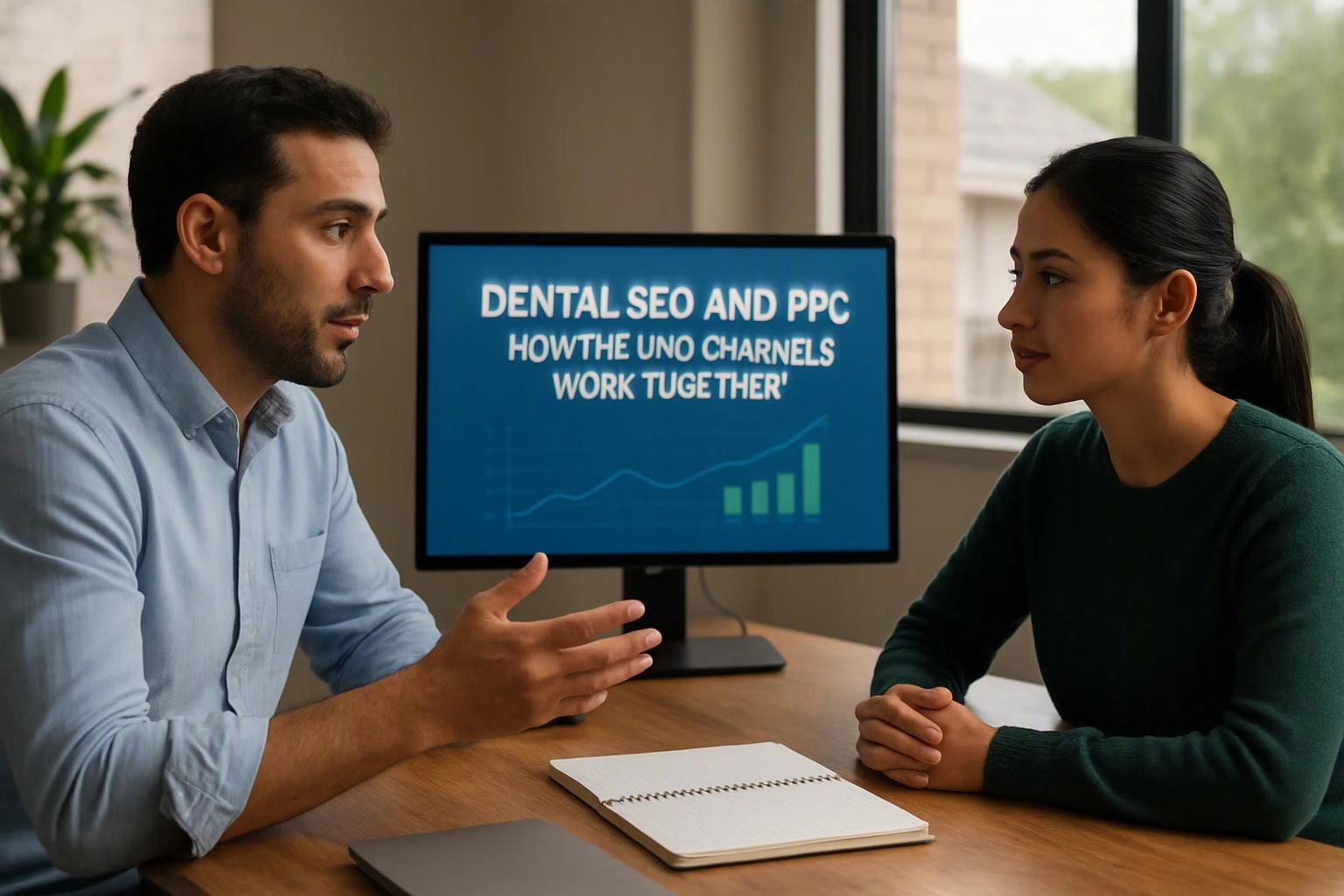
Dental SEO and PPC create an integrated search marketing approach for dental practices. At SEOforDentists.au, we align search campaigns, landing pages and enquiry data so each channel supports better patient acquisition decisions.
What Is the Difference Between Dental SEO and PPC?
Dental SEO builds unpaid search visibility over time, while PPC places paid advertisements in search results when the campaign targets a relevant query.
Both channels can reach people with treatment intent, but they use different methods to appear on the search engine results page.
| Channel | How it works | Typical focus |
|---|---|---|
| Dental SEO | Improves relevant pages so they can earn organic search visibility. | Technical SEO, content, service pages and organic rankings. |
| Pay-Per-Click Advertising | Places paid search advertisements for selected queries. | Google Ads, ad groups, ad copy and immediate paid search visibility. |
| Shared landing page work | Connects the search query with a relevant page and clear next step. | Search intent, treatment information and enquiry actions. |
Google Ads can test how people respond to target keywords, while SEO uses those insights to guide content and page improvements. The strongest plan considers search intent before choosing the channel.
When Do Dental Practices Need SEO and PPC Together?
Dental practices often need both channels when visibility goals include immediate reach and sustained organic growth. The right mix depends on treatment priorities, search competition and the quality of existing pages.
Using both channels does not mean treating them as separate projects. We connect the search terms, landing pages and conversion actions so the marketing investment supports the same patient enquiry goals.
How Dental SEO and PPC Support Each Other
Dental SEO and PPC support each other when shared search data improves targeting, landing pages and decisions about where to invest effort.
Keyword research helps both channels understand the words people use when looking for dental care. PPC campaign data can show which queries attract relevant visits, while SEO uses those findings to shape content, treatment pages and service pages.
Search intent also guides landing page design. A page for a specific treatment should answer the query clearly and provide a suitable booking form or phone enquiry option.
Conversion data gives both channels a common measure. We can compare paid search campaigns with organic rankings, review lead quality and decide whether a page needs content, technical SEO or campaign optimisation.
Remarketing can reconnect with visitors who did not enquire during their first visit. This works best when the landing page, ad copy and follow-up message reflect the original treatment intent.
How the Two Channels Fit Together in Practice
SEO and PPC fit together through a shared process that links testing, page improvements and measurement. We use each channel to inform the next decision.
This sequence can reduce wasted effort because page and campaign changes are guided by actual enquiry behaviour. The cost of the combined approach depends on the scope of SEO work, campaign structure, landing page requirements and tracking needs.
Should a Dental Practice Choose SEO or PPC?
Dental practices should use SEO, PPC or both according to their search visibility, treatment priorities, enquiry goals and available marketing investment.
PPC can suit a practice that needs short-term visibility for selected treatments. SEO can suit a practice building long-term visibility through technical improvements, useful content and stronger treatment pages.
Search competition also affects the decision. When organic rankings are difficult to build quickly, paid search can provide an additional route to relevant queries while SEO work continues.
We assess the marketing objectives, current pages, campaign data and patient acquisition goals before recommending how to allocate effort. A combined plan can be useful when the practice needs immediate reach and a stronger organic search foundation.
How We Measure SEO and PPC Enquiries
SEO and PPC enquiries are measured by connecting search sources with calls, forms and booking actions, then comparing lead quality and conversion performance.
Conversion tracking records actions such as form submissions, booking enquiries and phone enquiries. Google Analytics can show how visitors move through the site, while Google Ads conversion tracking connects actions with paid campaigns.
Google Search Console helps us review organic search queries, page visibility and clicks. Call tracking can connect phone enquiries with the relevant source when the setup supports source attribution.
We then compare cost per enquiry with lead quality. A lower-cost enquiry is not necessarily more valuable if it does not match the dental practice’s treatment priorities or lead to a useful patient conversation.
Our reporting brings campaign data, organic performance and enquiry attribution into one view. This helps guide landing page design, content strategy and future campaign decisions.
How SEOforDentists.au Aligns Both Channels
We align SEO and PPC through a connected review of search intent, page quality and enquiry measurement.
Free Estimates Available for work that matches the required SEO, PPC, landing page and measurement scope. Our team uses the account review to explain the work involved and the available options.
Questions About Dental SEO and PPC
Can PPC data improve a dental SEO strategy?
Yes, PPC data can improve a dental SEO strategy by showing which search queries, messages and landing pages attract relevant engagement. We use those insights to refine keyword mapping and content priorities.
Should dental PPC traffic go to a dedicated landing page?
Yes, dental PPC traffic should go to a dedicated landing page when the page can match the advertisement and treatment intent more closely. A focused page can make the next enquiry action clearer.
How can a dental practice tell whether an enquiry came from SEO or PPC?
A dental practice can identify the source of an enquiry by connecting Google Analytics, Google Ads conversion tracking, Google Search Console, call tracking and form records. We then compare the recorded source with the enquiry details and lead quality.